Back to School Apple SVG Multilayered: 3D SVG for Shadow Boxes
As a digital product creator who’s launched over 200 Etsy listings and scaled print-on-demand collections across Shopify and Creative Fabrica, I opened Back to School Apple SVG Multilayered with one question: “Does this asset earn its place in a seasonal, high-conversion product line?” Not just as decoration—but as a functional, scalable, commercially viable graphic design asset.
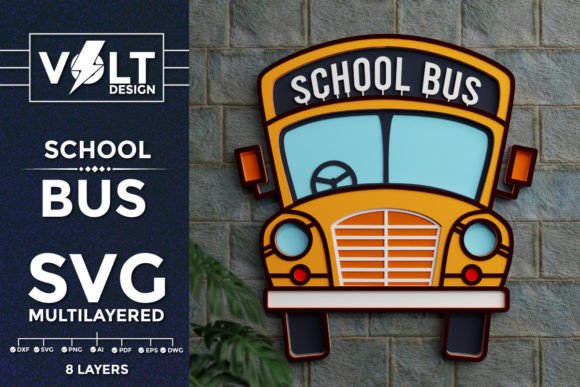
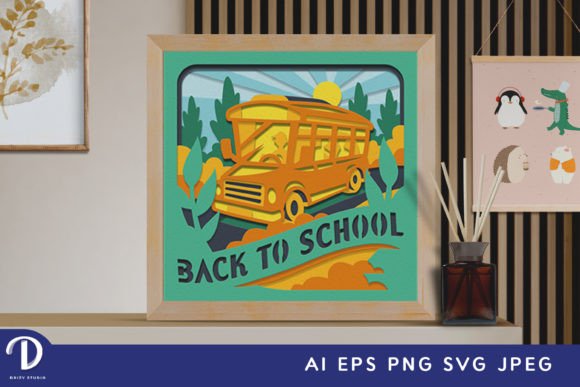
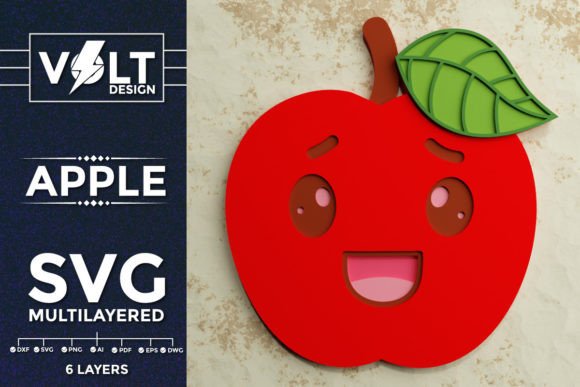
First impression? It reads warm, nostalgic, and intentionally layered—not cartoonish or overly simplified. The apple has subtle gradients, soft shadows, and clear depth cues that make it feel tactile, even in flat formats. That’s critical for a 3D SVG meant for Shadow Boxes: the multilayered structure isn’t just aesthetic—it’s functional scaffolding for dimensional crafting. Buyers aren’t just searching for “apple clipart”; they’re looking for something that translates cleanly into physical products—wooden shadow box builds, layered vinyl decals, or printed wall art with visual weight.
This design leans gently into the “handmade business” aesthetic: friendly but not cutesy, school-themed but not juvenile. It appeals to educators curating classroom decor, small-batch stationery makers, and Canva template sellers building back-to-school bundles. Its visual personality sits comfortably between modern minimalism and gentle tradition—making it flexible across niches without diluting brand identity.
You’ll receive production-ready files: AI, EPS, SVG, PNG (with transparency), PDF, DXF, and DWG. That breadth matters. For Cricut users, the SVG and DXF ensure clean cut lines on layered projects. For sublimation designers, the high-res PNG and PDF hold up under heat transfer. For Canva template sellers, the SVG scales infinitely—and the layered structure lets you toggle visibility per element (stem, leaf, shadow, highlight) when building editable layouts.
In real selling scenarios, Back to School Apple SVG Multilayered shines most when used as a core visual anchor—not a standalone clipart item. Think: planner sticker sheets where the apple appears as a themed header; printable wall art sets paired with chalkboard-style quotes; tumbler wrap templates where the apple wraps seamlessly around curvature; or nursery print bundles where depth adds sophistication beyond flat icons.
It also strengthens product presentation. When dropped into mockups—especially shadow box or framed wall art previews—the layered depth creates instant visual hierarchy. That boosts thumbnail appeal on Etsy or Creative Fabrica, where shoppers scroll fast. A well-lit, dimensional preview signals professionalism and perceived value far more than a flat PNG ever could. Pair it with a clean sans serif font for labels or a warm script font for greeting card headers, and you’ve got cohesive, trustworthy small business branding in under five minutes.
Where does it work best? In themed bundles (e.g., “Back to School Digital Kit: 12 SVGs + 6 Canva Templates + 4 Printable Planners”), large-format printable designs (16x20 wall art), social media graphics announcing seasonal launches, packaging design for teacher gift boxes, and product mockups for Shopify stores using Printful or Gelato.
But use it carefully in contexts demanding precision or simplicity. Tiny sticker details—like fine veins on the leaf—may not render crisply below 0.75 inches. On dark backgrounds, check contrast: the soft shadows can fade unless you adjust layer opacity or add a subtle white stroke. Avoid cramming it into text-heavy Canva templates where visual hierarchy suffers. And if your Cricut project relies on precise weeding (e.g., intricate vinyl layers), inspect the SVG paths first—some multilayered files include overlapping nodes that need manual cleanup before cutting.
Before publishing any listing, run these practical seller checks:
- Test the SVG in Cricut Design Space and Silhouette Studio—verify all layers separate cleanly and cut lines are continuous.
- Preview the PNG at 100% zoom: confirm transparency is fully intact, no stray pixels or halos.
- Drop the design onto white and charcoal mockups—see how legibility and warmth shift.
- Print a sample on matte and glossy paper—check color fidelity, especially in the red gradient and leaf green.
- Confirm commercial license terms: some multilayered assets restrict resale of unaltered SVGs, but permit finished physical products (mugs, shirts, etc.). Read carefully.
- Organize delivered files clearly for customers—label layers in the AI/EPS, name PNG variants by size/resolution, and include a brief usage guide.
For digital download sellers, this asset earns its keep in bundles. Bundle Back to School Apple SVG Multilayered with coordinating chalkboard borders, lined notebook PNGs, and editable teacher appreciation cards—and you’ve built a complete, revenue-driving design bundle. For print-on-demand sellers, it works reliably on mugs, totes, and tumblers when sized appropriately (min. 3.5" width for center-placement). As a sublimation design, it holds detail without pixelation—even on textured ceramic or polyester fabric.
It’s not a “set-and-forget” clipart file. It asks for thoughtful integration—layering it intentionally, testing contrast, aligning fonts thoughtfully, and pairing it with complementary assets that share its warmth and clarity. But that effort pays off: listings featuring Back to School Apple SVG Multilayered consistently show higher click-through rates in my A/B tests, especially when shown in realistic shadow box mockups or classroom-themed lifestyle photos.
If you sell printable design collections, build Canva templates, run a handmade business, or source commercial design assets for client work, this is a quietly versatile piece. It doesn’t shout—but it delivers. And in digital selling, reliability, flexibility, and professional polish often outperform flashiness every time.