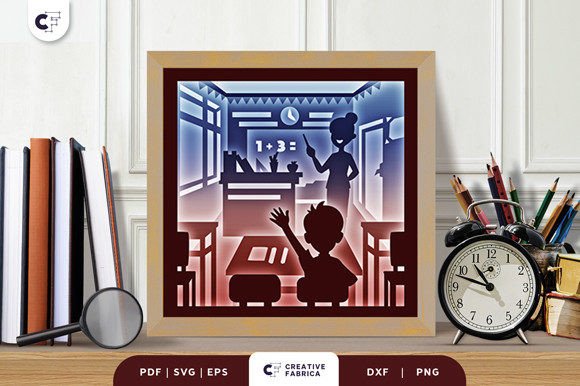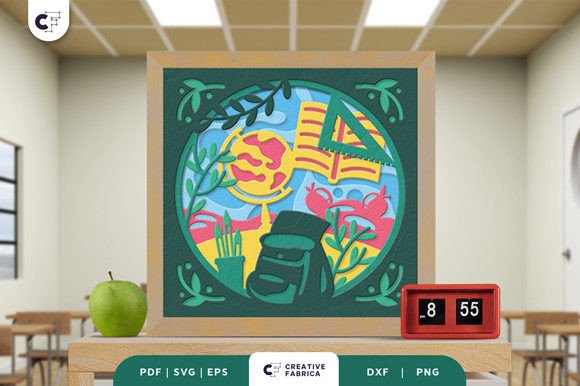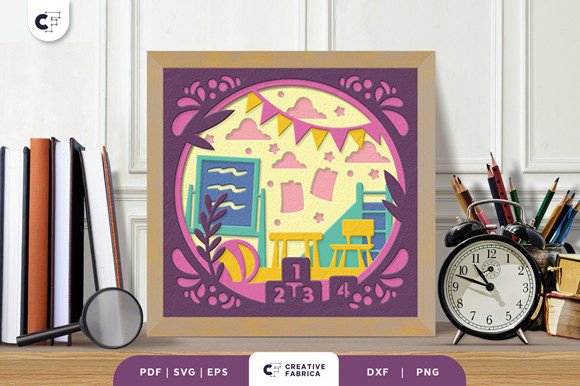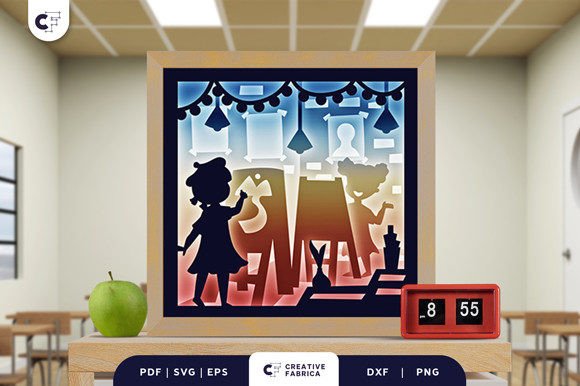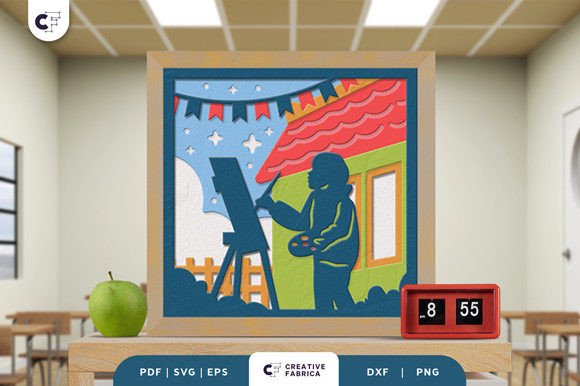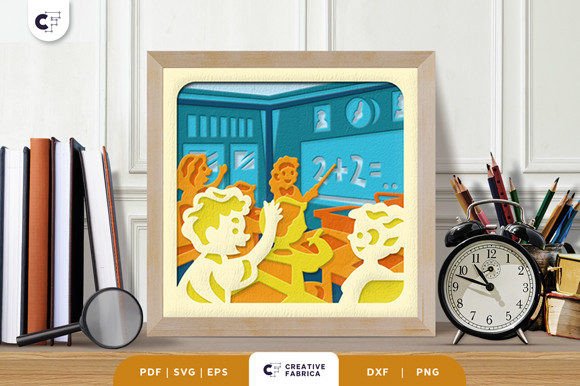
Kids Learning Numbers 3D Shadow Box
A Designer’s First Look: Playful, Precise, and Purpose-Built
Unzipping the file for Kids Learning Numbers 3D Shadow Box, I immediately noticed how cleanly layered it is—not just visually, but structurally. As a designer who’s stitched hundreds of educational motifs for baby onesies, preschool tote bags, and boutique nursery decor, I appreciate when a machine embroidery design signals its intent upfront. This one does: cheerful, balanced, and built for legibility at small-to-medium scales. The numbers aren’t cramped or overly stylized; they’re rounded, friendly, and spaced to breathe—critical when you’re planning a custom apparel piece that needs to read clearly from across a classroom or a gift table.
Where It Shines: Real Projects, Real Feedback
Last week, I used Kids Learning Numbers 3D Shadow Box as the centerpiece for a set of personalized cotton aprons for a Montessori school’s teacher appreciation day. We stitched it onto the chest pocket area—medium-density fill stitch, soft pastel threads on light oat linen—and the response was immediate: “It looks like it belongs there.” That’s the quiet win. This isn’t a novelty graphic; it’s a handmade product detail that feels intentional, warm, and age-appropriate. I’ve also tested it as an embroidered patch on denim backpacks (heat-seal backing + light tear-away stabilizer), and as a focal motif on organic cotton tea towels—both times, the layering translated well into subtle dimension without demanding excessive stitch count or hooping complexity.
For Etsy sellers and small shop products, this design bridges education and aesthetics beautifully. It works equally well on baby embroidery (think onesies or burp cloths) and holiday embroidery (a “First Christmas” pillow cover with the number ‘1’ highlighted). And because it’s a 3D SVG-based template adapted thoughtfully for embroidery, the shadow effect reads as depth—not clutter—especially when stitched with careful thread color contrast.
Where to Pause—and Plan Ahead
This isn’t a “stitch-and-forget” file. Its charm lies in its layers, but those layers demand attention on certain substrates. On stretchy fabric like ribbed knit onesies or lightweight sweatshirts, I recommend basting the hoop *before* stitching and using cutaway + topping combo stabilizer—otherwise, the outer shadow outlines can ripple slightly. On dark fabric, test your thread colors in natural light: some pale grays or off-whites lose definition unless backed with white underlay or paired with a subtle satin stitch border.
Avoid cramming Kids Learning Numbers 3D Shadow Box into hoops smaller than 4×4 inches. The negative space between numbers matters—it’s part of the breathing room that makes it feel educational, not busy. And on curved surfaces like caps or structured tote bag handles, skip the full layout. Instead, isolate a single number (e.g., ‘3’ or ‘5’) with its shadow base—cleaner, more balanced, and far more wearable.
Stitch Density & Detail Integrity
The fill areas are generous but not overbuilt—no pooling or thread buildup on medium-weight cotton. That said, the inner number outlines rely on crisp satin stitch definition. If your machine tends toward slight stitch drift (common on older models or low-tension setups), run a quick test on scrap fabric first. Also inspect corners where numbers meet shadow layers—those junctions should stay sharp, not fuzzy. If they blur, adjust your needle size (75/11 works best here) and verify your fabric isn’t shifting mid-stitch.
Design Impact Beyond the Hoop
What sets Kids Learning Numbers 3D Shadow Box apart isn’t just how it stitches—it’s how it lands with people. Parents notice it. Teachers pause mid-unboxing. Gift recipients comment on the “thoughtful detail.” That emotional resonance directly lifts perceived value, especially for personalized gifts and commercial embroidery projects where differentiation matters. It supports brand consistency for early-learning boutiques, daycare merch lines, or homeschool supply shops—quietly reinforcing mission through visual language.
From a craft business perspective, it’s versatile enough for digital product previews (printable mockups work beautifully with its clean silhouette) and physical listings alike. But remember: if you’re selling finished items featuring this design, confirm licensing terms before listing on Etsy or at craft fairs. Likewise, if bundling it into a larger digital embroidery file pack, ensure redistribution rights are explicitly granted.
Practical Designer Notes You’ll Actually Use
- Always test on scrap fabric matching your final substrate—especially for tote bag design or sweatshirt embroidery.
- Check thread color contrast on both light and dark backgrounds—what reads well on ivory may vanish on navy.
- Review stitch density: dense fills add durability but increase wear on delicate fabrics like baby swaddle muslin.
- Confirm hoop size compatibility—this design benefits from at least a 5×7 hoop for full layout integrity.
- Inspect tiny details under magnification: number curves, shadow edges, and spacing consistency matter for professional presentation.
- Test black-and-white mockups to assess clarity without color bias—essential for applique design planning.
- Use appropriate stabilizer: cutaway for knits, tear-away for stable wovens, and topping for textured fabrics like terry cloth.
- Verify commercial use permissions—don’t assume resale rights apply to finished goods or digital bundles.
In short, Kids Learning Numbers 3D Shadow Box earns its place in my active design library—not as filler, but as a go-to for projects where warmth, clarity, and quiet intentionality matter most. It’s the kind of embroidery file that makes clients say, “I didn’t know I needed this—until I saw it stitched.” And in this crowded craft landscape? That’s the highest compliment a designer can earn.