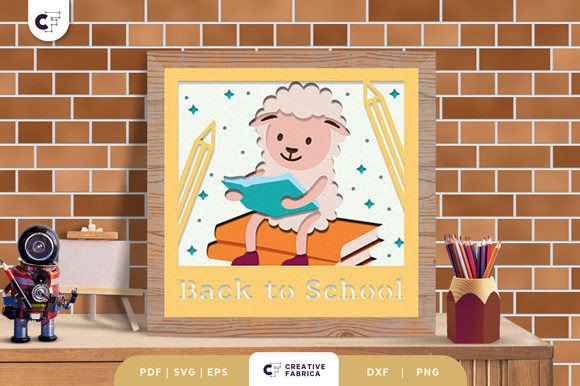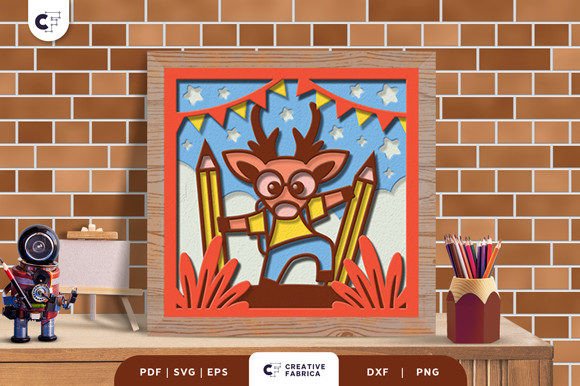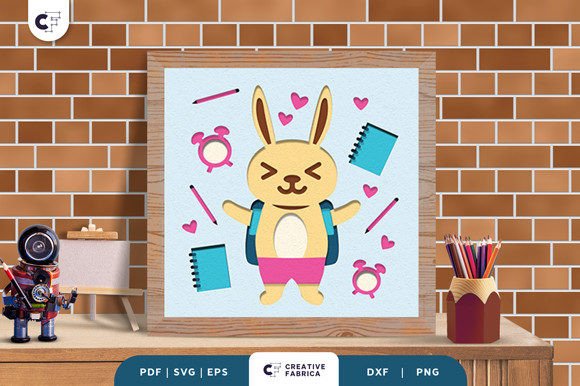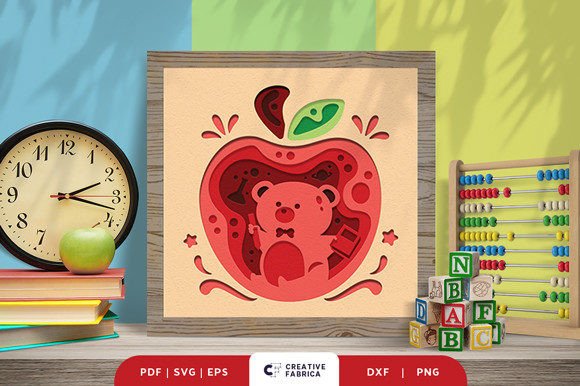
Technology Book Stack 3D SVG for School Projects
As a graphic designer who’s built brand identities for edtech startups, designed printables for homeschool co-ops, and crafted social media kits for tutoring studios, I recently evaluated the Technology Book Stack 3D Shadow Box for a real client project: a boutique STEM enrichment program launching a summer “Code & Chapters” workshop series. My goal wasn’t just to see if it looked nice — it was to determine whether this 3D SVG asset could carry weight in a professional, commercially deployed design system.
A First Impression That Feels Thoughtfully Crafted
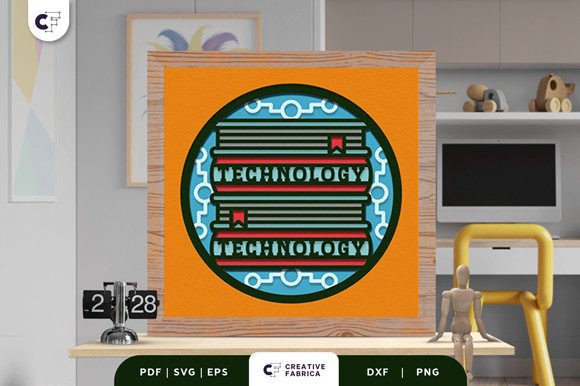
The Technology Book Stack 3D Shadow Box lands with quiet confidence. It’s not flashy or cartoonish — instead, it offers subtle depth, soft layered shadows, and clean book spines that suggest titles like “Algorithms,” “UX Foundations,” and “Data Literacy” without spelling them out. The perspective feels grounded, not exaggerated; the lighting is consistent, not dramatic. This isn’t clipart — it’s a graphic design asset built for intentionality. It evokes curiosity, approachability, and quiet competence — perfect for a handmade business or small business branding that wants to signal intelligence without intimidation.
Where It Shines in Real Client Work
In our workshop campaign, we used the Technology Book Stack 3D Shadow Box across multiple touchpoints — and each time, it elevated the visual narrative:
- Packaging design: Printed on kraft mailer boxes as a foil-stamped accent — its dimensional quality translated beautifully into tactile luxury.
- Social media graphics: Scaled cleanly for Instagram carousels and Pinterest pins, especially when paired with a crisp sans serif headline and muted teal/charcoal palette.
- Printable design: Embedded in a Canva template for student progress trackers — its SVG scalability meant zero pixelation at any size.
- Cricut project: Cut from vinyl for classroom wall decals — the clean vector paths ensured precise blade registration.
- Product mockup: Placed beside laptop and notebook photos in a Shopify banner — it added authenticity without competing for attention.
It also worked surprisingly well in editorial design (as a section divider in a digital workbook) and sticker design (scaled down to 2” diameter with excellent legibility). As a sublimation design element on tote bags and mugs, its shadow play added dimension that flat illustrations couldn’t match.
Strategic Placement Matters Most
This asset thrives where space and context support its depth. It performs best as a hero graphic, a themed collection anchor, or a decorative accent in layouts with breathing room — think landing page headers, workshop brochure covers, or printable wall art for learning spaces. It strengthens visual hierarchy when placed near key messaging, acting as both subject and symbol.
But be thoughtful: avoid dropping it into crowded layouts or pairing it with busy patterns — the shadows lose definition, and the composition feels cluttered. It doesn’t translate cleanly to minimalist branding systems built on extreme restraint (think monochrome logos or ultra-thin typography), nor does it suit formal corporate materials where visual neutrality is non-negotiable. And while charming, it shouldn’t anchor logo design — its specificity limits scalability and abstraction potential.
Design Integrity Checks Every Professional Should Run
Before clearing the Technology Book Stack 3D Shadow Box for client use, I ran these practical checks:
- Test contrast: Previewed on both light and dark backgrounds — works cleanly on white, cream, charcoal, and navy, but fades slightly on mid-tone greys.
- Check transparency: Confirmed the included PNG has alpha-channel transparency — critical for web design and social media graphics.
- Verify vector editability: Opened the SVG in Illustrator — all layers are grouped logically, text-free, and fully editable (stroke weights, shadow opacity, individual book rotation).
- Assess font harmony: Paired it with Montserrat (sans), Playfair Display (serif), and even a restrained script — it held up strongest with modern, open-typefaces; clashed subtly with tight handwritten fonts.
- Confirm commercial license: Verified the seller grants broad commercial license rights — essential for Etsy product listings, print-on-demand use, and client deliverables.
- Print test: Ran a physical proof on matte cardstock — shadows retained richness, no banding or flattening.
Why It Builds Trust — Not Just Aesthetics
What makes the Technology Book Stack 3D Shadow Box more than decoration? It signals care. When parents see it on a workshop flyer, they subconsciously register thoughtfulness, structure, and educational rigor. For students, it feels inviting — not cold or clinical. That emotional resonance directly supports audience engagement and brand consistency. In a saturated creative marketplace, assets like this help handmade businesses stand out through warmth and intention — not just novelty.
It also reinforces visual trust. Because it’s built with consistent lighting, accurate perspective, and balanced negative space, it avoids the “off-kilter” feeling common in low-effort clipart. That polish tells viewers: This brand pays attention to detail — so will they pay attention to your message.
A Final Note for Designers and Sellers
If you’re sourcing design assets for an online product launch, a seasonal campaign, or a local event, the Technology Book Stack 3D Shadow Box deserves serious consideration — especially if your audience values knowledge, growth, and accessible expertise. It’s not a one-size-fits-all solution, but within its sweet spot — school-related branding, educational marketing visuals, and creative learning products — it delivers uncommon cohesion and quiet sophistication.
Just remember: great creative design isn’t about adding elements — it’s about choosing the right ones. And in this case, the right one happens to be a stack of books, rendered in thoughtful 3D, ready to support your next commercial design project with integrity and impact.